Training taught by people who still do the work
CPD for schools, fostering services and local authorities, in house at your site or online live.
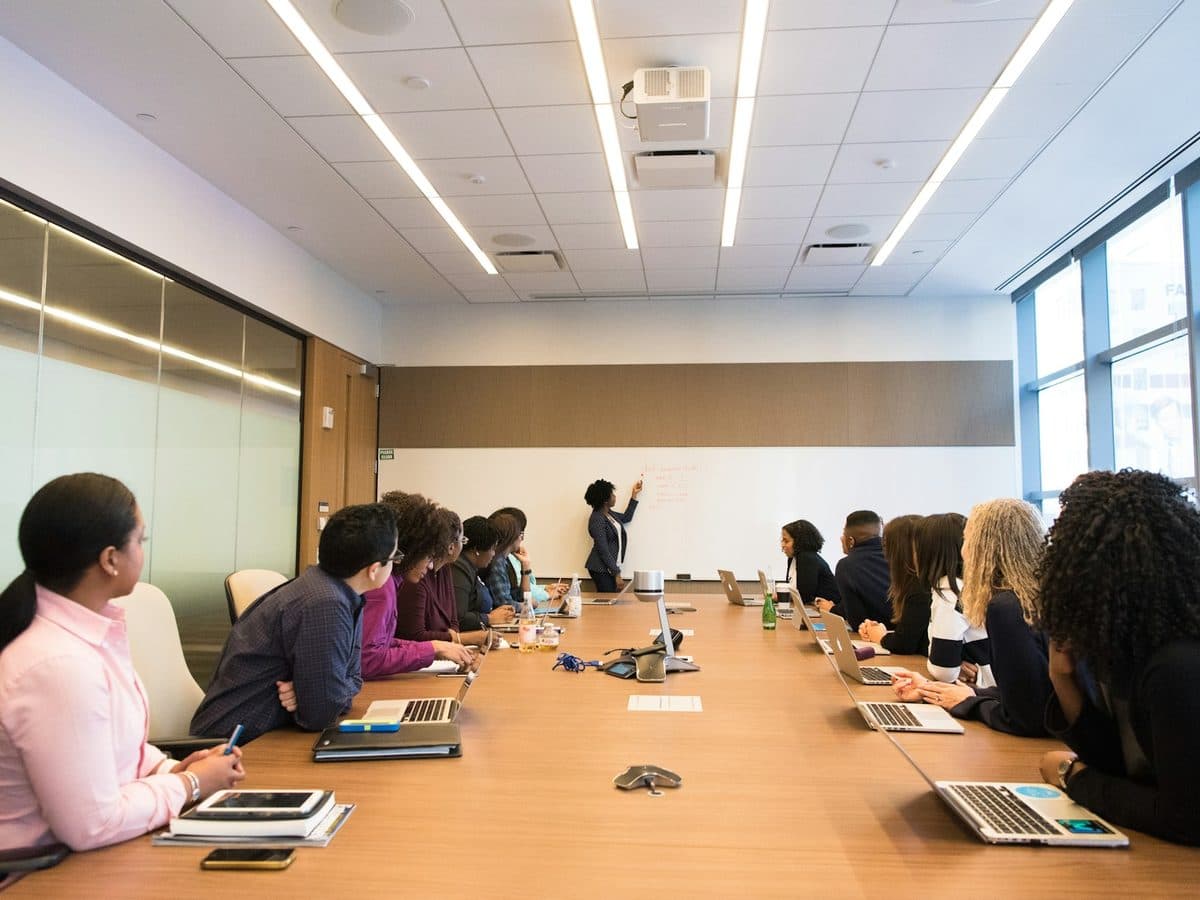
Blip is an independent mental health service for children and young people aged 7 to 25. The people who train for us are the people who run that service: registered mental health and learning disability nurses, an accredited counsellor, and clinicians who also hold teaching qualifications.
That is the whole proposition. Every trainer holds a live caseload in the presentations they teach, so the examples come from this term rather than from a manual, and a delegate can ask a hard question and get a real answer.
Training is a separate service from Blip’s clinical work. Buying one does not commit you to the other, and the two are quoted separately.
Two catalogues, one standard

For schools and colleges
Attachment, school avoidance, safeguarding at Level 2, trauma informed practice and the KCSIE annual update. Built for SENCOs, ALNCos, pastoral leads and whole-staff INSET.
For social care and fostering
Blocked care for carers and, separately, for the staff who supervise them. Safeguarding in Wales and in England, trauma informed practice, and telling trauma from neurodiversity.
The catalogue
All 11 coursesAttachment and Developmental Trauma
Attachment as a survival strategy rather than a behaviour problem, and what developmental trauma does to a developing brain. Built for staff who see the same children every day.
Emotionally Based School Avoidance
EBSA separated from truancy and from withheld attendance, why avoidance grows, and how to build a graduated return plan that survives a bad week.
Safeguarding Children: Group B (Level 2), Wales
The Group B day for people who work directly with children in registered childcare in Wales. Built to the Wales Safeguarding Procedures, not adapted from an English course.
Safeguarding Children: Group B (Level 2), England
The English edition of the Level 2 day, built on Working Together to Safeguard Children 2026 and the EYFS safeguarding and welfare requirements in force from 1 September 2026.
Trauma Informed Practice
Built so the whole workforce can sit in the same room, and deliberately as useful to a receptionist as to a practitioner. Delegates leave with a structured self-audit of their own service.
KCSIE 2026 Annual Update
The annual update, built for whole-staff delivery with no cap on numbers. KCSIE 2026 withdrew the condensed Part one, so support staff now need the same briefing as the classroom.
Most of this is commissioned by a setting for its own team. If you are one or two people rather than a whole staff room, you can join a scheduled open session online.
What every course includes
The same materials ship with every course in the catalogue. Nothing is an optional extra and nothing arrives as a locked PDF.
- A handbook they keep
- Not a printout of the slides. Written to be read afterwards, with the references in it.
- Pre and post knowledge check
- Scores reported to you as a group, which is how learning gain is evidenced.
- Anonymous evaluation
- Results shared with the commissioner, course by course.
- Register and certificates
- Attendance records retained for six years, because employers and inspectors audit them.
- Handouts that get used
- Working sheets, recording templates and case cards teams reuse after the day.
- An action plan
- Each delegate leaves with jobs against named owners, not a feeling.
What we will not sell you
Blip does not deliver licensed programmes it is not licensed to deliver. That means no DDP, Theraplay, Foundations for Attachment, Nurturing Attachments or Non-Violent Resistance, all of which have their own certification routes. We do not run designated safeguarding lead training or the safer recruitment training an appointment panel member needs, both of which belong with your safeguarding partnership or a specialist.
Each course page carries its own “what this course is not” section, and delegates are told the same thing in the first ten minutes of the day.
Free, one page
EBSA: the first fortnight
A one-page checklist for the two weeks after a child stops making it through the school gate, when what the adults do next decides how long this lasts.
- What to do in the first 48 hours, and the three things that make it worse
- The questions that find the actual trigger, and the ones that close a child down
- A simple return plan template, with the conditions that make it hold
Common questions
Who delivers Blip's training?
Registered clinicians holding live caseloads in the presentations they teach. Blip's trainers are senior NHS-trained mental health nurses on professional registers, and two of them also hold teaching qualifications. The examples come from current practice rather than from a manual.
Is Blip's training accredited?
Blip issues its own certificates and states the CPD hours for every course. No external awarding-body accreditation is claimed. Every course page carries a section headed What this course is not, which sets out in plain terms the limits of that particular course and what it does not qualify a delegate to do. Read it before booking: it is the most useful part of the page.
Who is the training for?
Schools and colleges, and social care. That means SENCOs, ALNCos, pastoral and inclusion leads, attendance teams and whole-staff INSET on one side, and fostering and adoption services, local authority children's services, kinship and special guardianship teams and residential care on the other.
Do we have to use Blip's clinical service to book training?
No. Blip is an independent mental health service for ages 7 to 25 as well as a training provider, and the two are quoted separately. Buying training does not commit you to the clinical service.
Talk to us about a date
Tell us the course, the numbers and the term, or email training@blip.org.uk. We reply within one working day.